
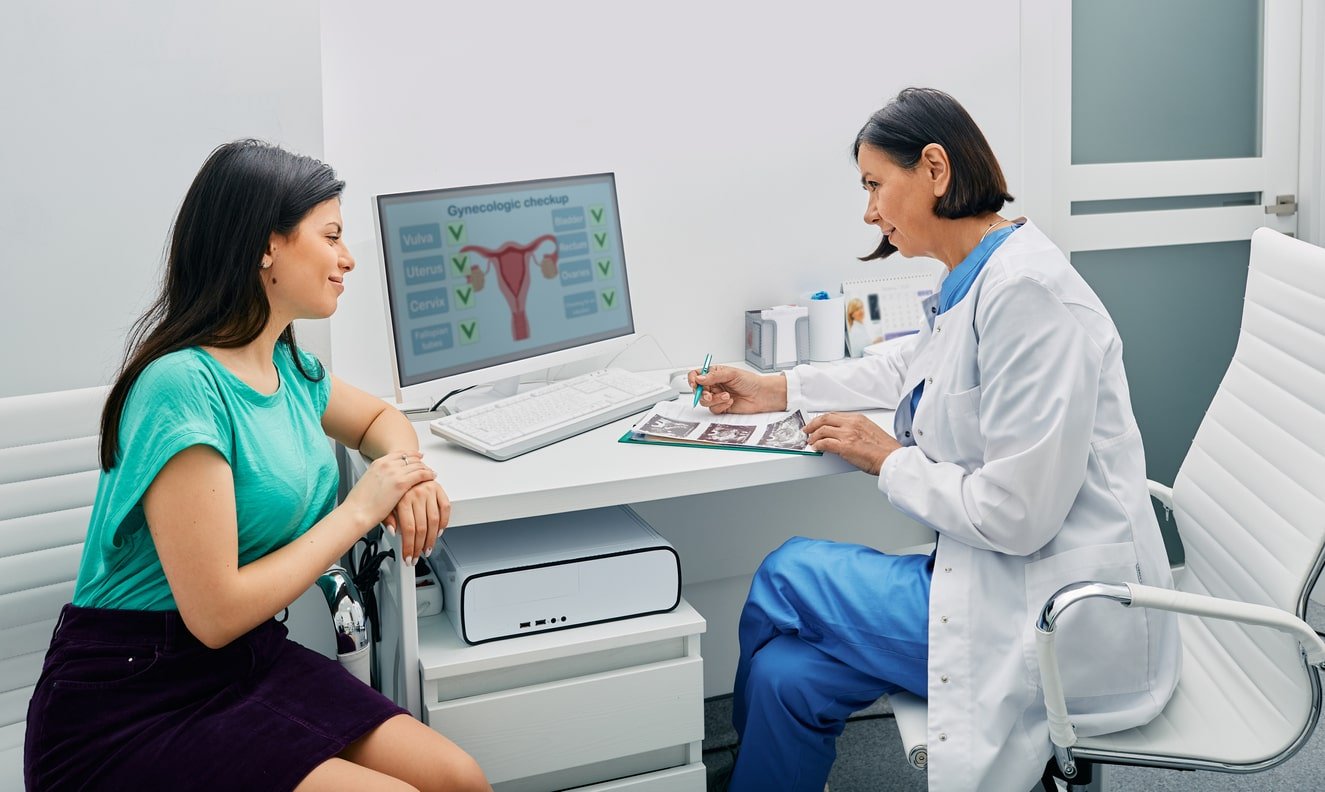
Regular visits to a gynecologist are a fundamental part of maintaining reproductive and overall health. Certain symptoms or changes may signal the need for care sooner than a routine appointment. Here’s a closer look at the signs that indicate it may be time to see a gynecologist:
Managing Cycle Changes
Menstrual cycles often serve as a key indicator of reproductive health status. A typical cycle lasts between 21 and 35 days, and significant deviations from this pattern may suggest an underlying condition. For instance, bleeding that is heavier than usual or lasts longer than seven days warrants medical attention. This condition, known as menorrhagia, can lead to anemia if left untreated.
Irregular bleeding or spotting between periods is another sign that requires evaluation. This symptom can stem from various causes, including hormonal fluctuations, infections, or growths such as polyps. A gynecologist can investigate the cause of these irregularities and recommend appropriate treatment options.
Ongoing Symptoms
Physical discomfort often points to infections or structural issues within the reproductive system. A gynecologist diagnoses the root cause of these symptoms through a physical exam or ultrasound. You should think about scheduling an appointment if you notice the following issues:
- Persistent pain or pressure in the lower abdomen or pelvic region.
- Vaginal discharge that has an unusual color, consistency, or strong odor.
- Sensation of heaviness or fullness in the pelvic area.
- Pain, burning sensations, or difficulty during urination.
- Itching, redness, or swelling in the vaginal area.
- Unexpected bleeding or spotting after sexual intercourse.
Ignoring these signs may lead to complications, making prompt evaluation fundamental.
Addressing Hormonal Concerns
Reproductive health involves more than just menstrual care and pain management. Many conditions affect sexual function, fertility, and hormonal balance. A gynecologist provides guidance on these sensitive matters and offers solutions tailored to your life stage. Topics during a consultation often include:
- Pain or deep discomfort during sexual intercourse.
- Difficulty conceiving after a year of trying (or six months if over 35).
- A desire to start, stop, or change birth control methods.
- Symptoms of hormonal imbalance, such as excessive hair growth or acne.
- Concerns regarding potential exposure to sexually transmitted infections (STIs).
- Postpartum issues, including depression or healing concerns.
Addressing these concerns early helps maintain long-term reproductive wellness. Testing for STIs is a key preventive measure for sexually active individuals.
Staying Up to Date
Visiting a gynecologist is not limited to cases in which specific symptoms appear. Routine screenings are a fundamental component of healthcare maintenance for women. During well-woman visits, doctors perform breast exams and pelvic examinations. These physical examinations make sure that abnormalities are detected before they progress to serious conditions.
Preventive care also includes discussions about vaccinations and lifestyle choices. For instance, the HPV vaccine protects against the virus strains most likely to cause cervical cancer. Your doctor may also discuss bone density screening if you are approaching menopause. These proactive measures help safeguard your future health.
Get Checked by a Gynecologist
Prioritizing reproductive health requires recognizing changes in your body and seeking professional care. Regular checkups allow for early diagnosis and effective treatment of various conditions. Whether you are experiencing symptoms or are due for a routine exam, contact a qualified gynecologist near you to book your appointment today.
Leave a Reply