
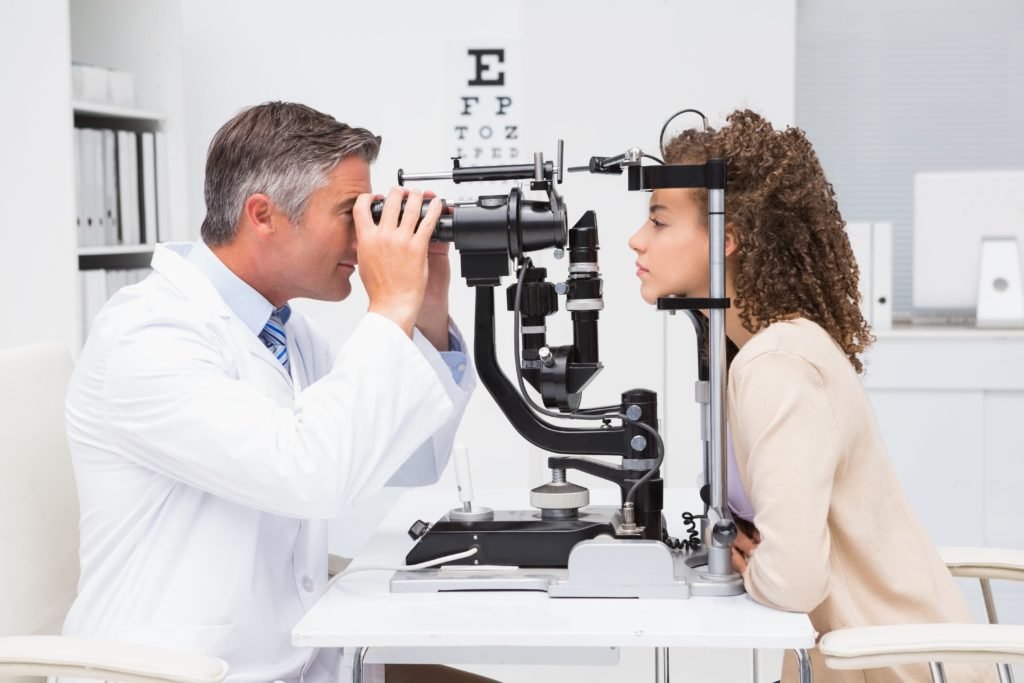
Regular eye care plays a major role in maintaining your overall health. Many people may only think about their eyes when their vision changes, but preventive care matters as well. Because comprehensive eye exams can detect issues before symptoms appear, they help preserve sight in the long term. An optometrist checks your vision and physical eye health, so you receive both assessment and advice in a single visit.
Early Detection of Eye Diseases
Many eye conditions develop slowly without causing immediate pain or noticeable vision loss. If you catch glaucoma early, treatment is most effective, so regular screening helps protect your optic nerve. An optometrist uses specialized equipment to measure intraocular pressure and can identify warning signs that a patient might miss. Diabetic eye screenings are another key service because diabetes can damage the retina’s blood vessels, and regular monitoring is necessary. If you have diabetes, your doctor will coordinate with your optometrist to monitor these changes.
Managing Common Vision Issues
Daily life can be difficult when your vision is unclear or uncomfortable, so seeking help matters. Dry eye therapy provides relief for patients who experience irritation, and it addresses the underlying causes of tear film instability. Although you struggle with blurry vision at work or school, eyeglasses and contact lenses effectively correct refractive errors. An optometrist will determine the precise prescription you need, and they can also discuss screening for refractive surgery. Low-vision treatment is available for those whose vision cannot be fully corrected with glasses, and this support helps patients maximize their remaining vision. If you address vision issues promptly, your daily comfort and productivity improve.
Specialized Optometrist Care
Optometrists offer more than just standard vision correction for their patients. When cataract management is needed, they work with surgeons to care for patients before and after surgery, aiding in a smooth recovery and thorough follow-up. Your optometrist monitors the eye’s healing after the procedure and communicates any concerns to the surgeon immediately, which helps coordinate care. Medical treatment for all eye conditions covers a wide range, from infections to injuries that require prompt attention. Because optometrists work with other specialists, patients benefit from a complete system of care.
You receive comprehensive care that addresses immediate needs, and you also get a long-term plan for maintaining your ocular health. Because follow-up care after treatments helps monitor progress and allows early identification of any changes, patients are less likely to miss signs of complications. Consistent post-procedure follow-up can significantly improve long-term outcomes for patients, so maintaining these appointments matters. This level of specialized attention is necessary for complex cases, and it provides patients with the specific resources they need for optimal recovery. If you work with your optometrist throughout recovery, you maximize your chances of the best possible results.
Schedule Your Next Appointment
Taking care of your eyes requires a commitment to regular professional evaluation, and this habit has lifelong benefits. Do not wait until you experience a problem to book an appointment, because prevention is an effective strategy. Comprehensive eye exams for all ages are available, and they provide a complete assessment of your current vision status. Contact your local optometry clinic today to schedule your visit and take the first step toward preserving your sight for the future.
Leave a Reply