
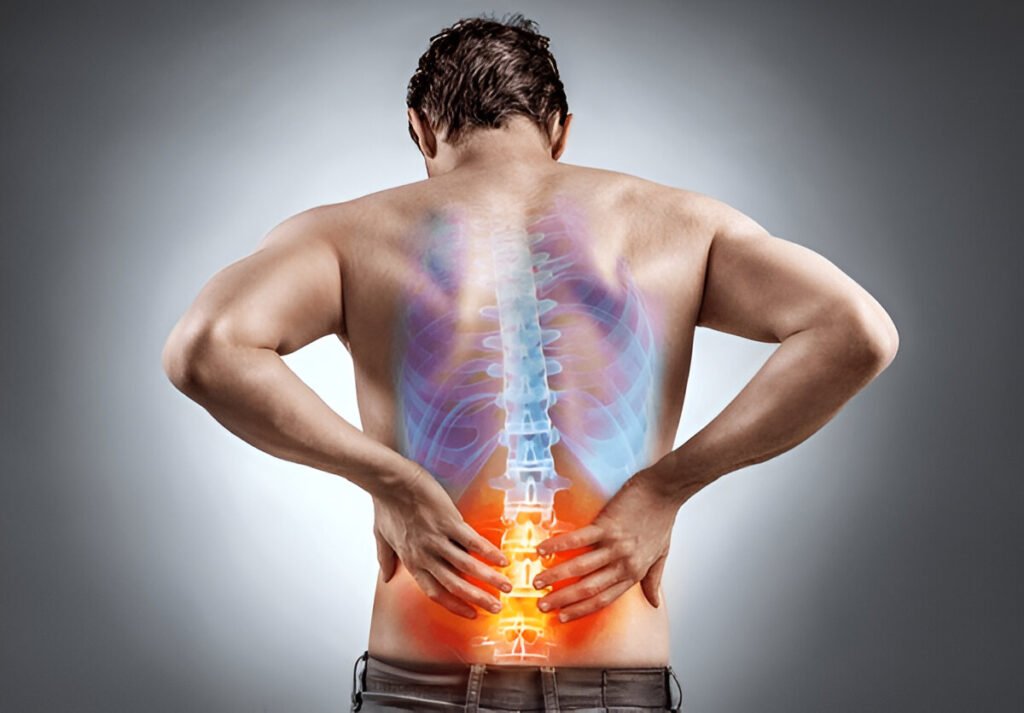
Spine pain manifests as discomfort from the neck to the lower back, and it can range from a dull, constant ache to a sudden, sharp sensation. Because the spine provides the body’s primary structural support and houses the spinal cord, any issues with it can significantly affect your overall well-being and daily functions. Here is more information about the connection between spine pain and your quality of life to help manage its effects:
Vulnerability to Injury
The spine is a complex structure of vertebrae, discs, and nerves, and it is susceptible to various types of injuries. A sudden jolt from a car accident or a fall may cause acute damage, while repetitive motions or poor posture can lead to chronic strain over time. Simple activities like lifting a heavy object improperly can strain back muscles and spinal ligaments.
Minor injuries to the spine can develop into more persistent problems if they are not addressed. A small tear in a disc may worsen over months, and this can lead to increased pain and reduced flexibility. Without proper care, an initial injury might alter your body’s mechanics, placing additional stress on other parts of the spine and adjacent joints.
Sign of Other Conditions
Sometimes, spine pain is not just a muscular issue; it can be a signal of other underlying health conditions that require medical attention. In some cases, conditions such as kidney stones or certain infections can present with back pain as the primary symptom. Persistent back pain may also point to systemic issues, such as inflammatory joint diseases.
Specific patterns of pain can offer clues about its origin. Pain that radiates down a leg on one side could suggest sciatica, which is caused by a herniated disc pressing on the sciatic nerve. Back pain accompanied by fever or unexplained weight loss should be evaluated by a healthcare provider. A medical professional can conduct tests to determine whether the pain is a symptom of another condition.
Pain in the spine may also originate from non-spinal sources, and this is called referred pain. Problems with abdominal organs such as the pancreas or gallbladder can sometimes cause back pain. Because so many different issues can manifest as spine pain, a clear diagnosis is a useful part of creating a treatment plan. You can work with a doctor to understand the root cause of your discomfort.
Prone to Disease
The spine is susceptible to various diseases that can cause chronic pain and structural changes. Degenerative conditions are a typical source of spine-related problems. These include:
- Osteoarthritic issues
- Degenerative disc disease
- Spinal stenosis
These diseases may progress slowly, but they can gradually degrade the components of the spine. Osteoarthritis leads to the breakdown of cartilage in the facet joints, while degenerative disc disease involves the gradual deterioration of the intervertebral discs.
Limits on Mobility
Spine pain frequently restricts a person’s range of motion and physical abilities. Simple movements, like bending over to tie your shoes or twisting to reach for something, can become difficult and painful. This limitation can interfere with your ability to perform daily tasks at home and at work, and your participation in recreational activities may also be affected.
Get Treated for Spine Pain
Ignoring pain can allow underlying problems to worsen. A proactive approach to treatment is beneficial, and this starts with a proper diagnosis from a qualified healthcare professional. Once the cause of the pain is identified, an effective treatment plan can be developed to address your specific needs. If you are experiencing persistent spine pain, schedule a consultation to explore your treatment options.
Leave a Reply