
Vision correction remains a priority for many individuals facing refractive errors, and many people seek solutions for their vision problems. LASIK surgery is a popular option that addresses nearsightedness, farsightedness, and astigmatism, but other procedures exist as well. Before scheduling a procedure, patients should understand how the surgery works and evaluate its potential effectiveness for their specific eyes, since not everyone is a good candidate.
Understanding Lasik Surgery
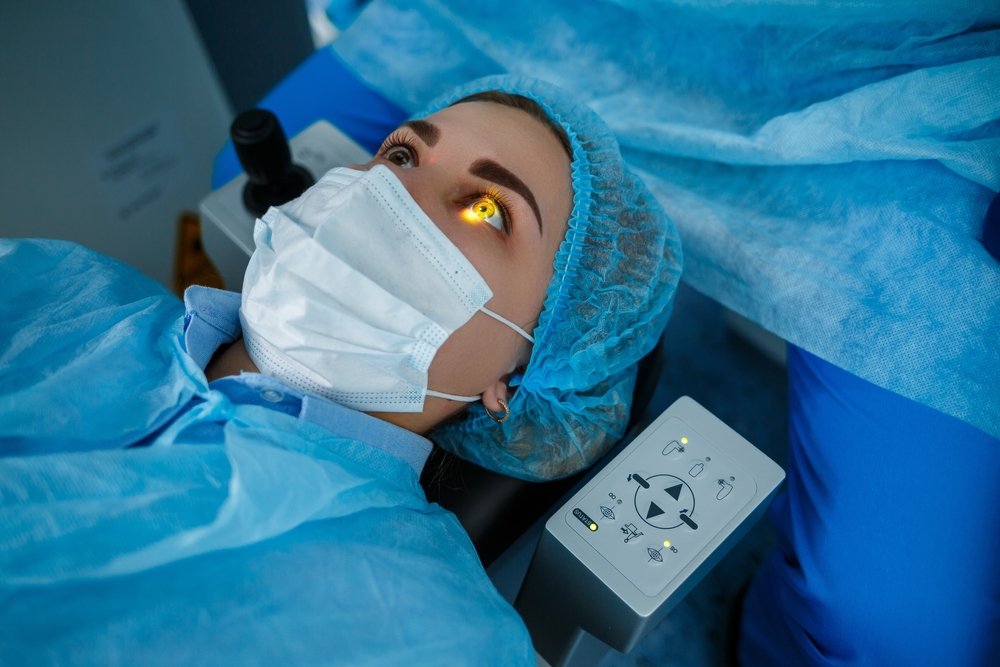
LASIK stands for Laser-Assisted In Situ Keratomileusis. This procedure reshapes the cornea, allowing light to focus correctly on the retina for clearer vision. The surgeon creates a thin flap in the cornea, and then uses a laser to remove microscopic amounts of tissue. Because the cornea determines how the eye focuses light, altering its shape corrects common vision problems like myopia or hyperopia. The entire process is realtively short, but patients must remain completely still, and this may feel intimidating to some. The laser’s precision allows surgeons to make controlled, precise adjustments based on mapping data for each individual eye, so the outcome is individualized.
Benefits and Decisions
Many patients experience improved vision almost immediately, though a short adjustment period after LASIK surgery is normal. Glasses may become unnecessary, or patients might rely on them much less frequently for daily tasks like driving or reading. While high success rates are common, individual results vary, and not everyone achieves perfect 20/20 vision after a single procedure. Candidates must have stable vision prescriptions, and not have health conditions that impair healing, which a pre-surgery evaluation will assess. Consulting a specialist allows you to weigh the potential benefits based on your personal health factors, so you can make an informed decision.
A thorough evaluation determines if LASIK is appropriate, so patients should expect a comprehensive screening process. Doctors assess corneal thickness, and they check for conditions like dry eyes that could affect the surgery’s outcome. If LASIK is not suitable, other options exist, and some patients might benefit more from PRK or lens exchange procedures, which your surgeon can explain. Cost is another factor, as insurance plans often classify LASIK as elective, and they may not cover the expense. Speaking with a professional helps you make an informed decision about pursuing LASIK surgery, and expert advice is always valuable.
Post-Surgery Care and Expectations
Recovery times are typically short for most patients, but following aftercare instructions is necessary. You might experience mild discomfort, or your eyes may feel gritty for a few hours after the anesthesia wears off. You will be informed to rest immediately after surgery; you must also avoid rubbing your eyes to prevent dislodging the healing corneal flap, since rubbing can cause complications. The doctor might prescribe eye drops, which prevent infection and control inflammation while your eyes heal over the next few weeks. Adhering to all instructions helps healing and achieve the best possible visual outcome, although most patients recover without issues.
Take the Next Step Toward Clear Vision
Understanding your options is the first step toward better sight, and researching thoroughly can help you feel confident. LASIK surgery offers significant benefits, but only a qualified professional can determine if it is the right choice. Schedule a consultation today, so you can discuss your goals and receive a comprehensive eye exam to evaluate your candidacy. Expert guidance promotes safety, and it helps you achieve the best possible visual outcome for your lifestyle and needs.
Leave a Reply