
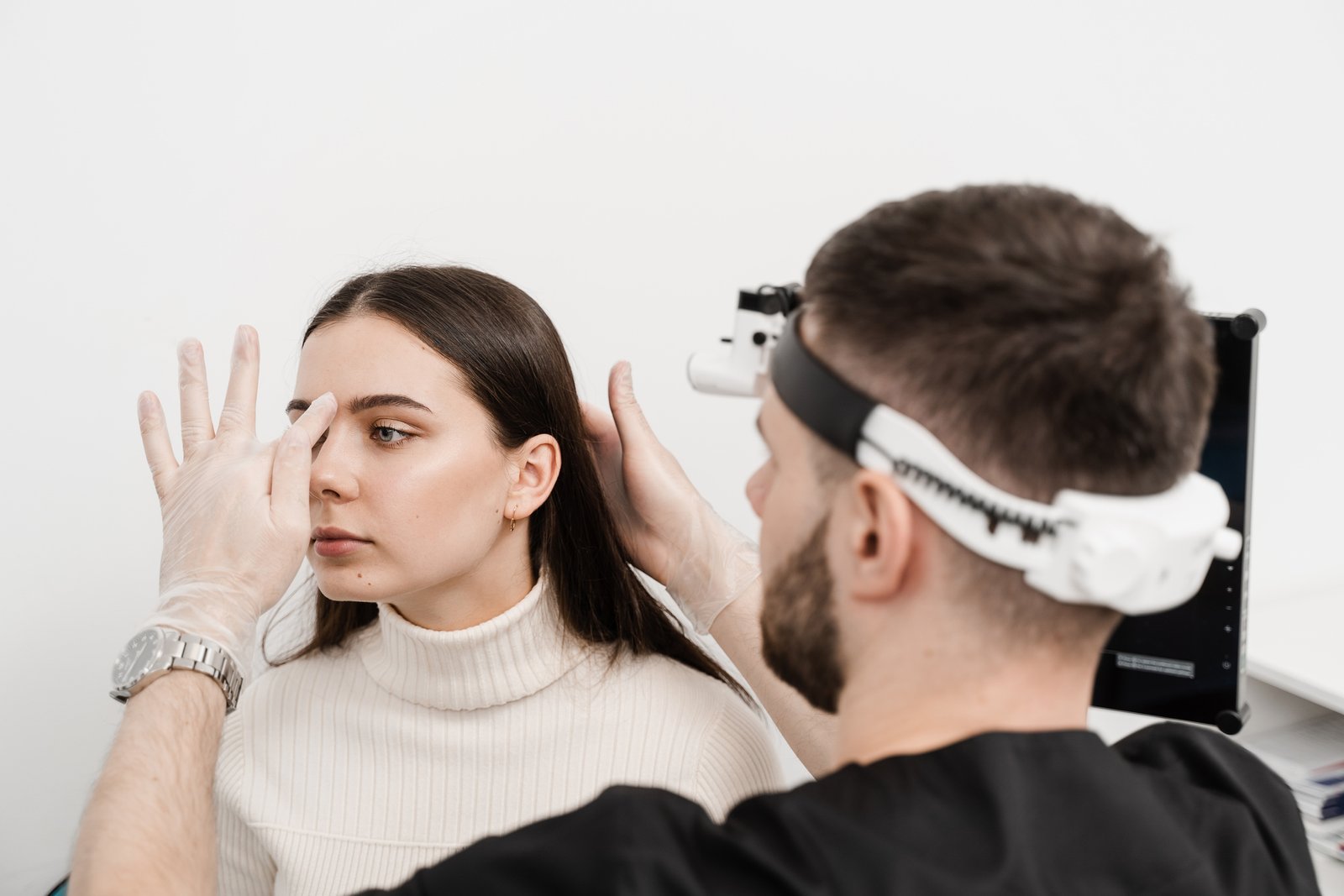
Chronic sinusitis affects many people each year, yet many struggle to find relief with traditional medications alone. Balloon sinuplasty is a minimally invasive procedure performed in an office setting to treat chronic sinus inflammation. While standard surgery removes bone and tissue, this modern alternative preserves the natural sinus anatomy. Here is more information about the role of balloon sinuplasty to treat chronic sinusitis:
Clears Sinuses
Doctors use this procedure to physically open blocked passageways, and this allows trapped mucus to exit the sinus cavities. The buildup of fluid creates pressure and pain, but clearing the blockage directly addresses the root cause of the discomfort. Because the sinuses are lined with sensitive tissue, the gentle expansion avoids the trauma associated with cutting or removing bone.
The instrument enters the nasal cavity through the nostrils, and it navigates to the specific area of blockage without external incisions. This approach maintains the structural integrity of the nose while effectively widening the narrowed channels. Patients typically remain awake under local anesthesia, while some providers offer sedation options for increased comfort during the process.
Restores Normal Drainage
Chronic inflammation disrupts the natural flow of mucus, but balloon sinuplasty aims to restart this critical physiological process. The procedure reshapes the sinus permanently, which helps prevent future obstructions from occurring easily. When the pathways remain open, the sinuses can drain naturally and function as intended. The restoration of drainage reduces the environment where bacteria typically thrive.
Uses Balloon
This technology relies on a small, flexible balloon catheter that the physician inserts into the inflamed sinus. The doctor gently inflates the balloon once it is correctly positioned, which restructures the sinus walls. The process is similar to how cardiologists use balloons to open blocked arteries in the heart, and it involves these steps:
- The doctor inserts a guide wire.
- The balloon catheter follows the wire.
- The balloon inflates to expand the opening.
- The system is removed, leaving the passage open.
Relieves Symptoms
Patients typically have a reduction in facial pain and pressure, and this takes place after the sinuses are successfully opened. While individual results vary, the goal is to alleviate the chronic headaches and congestion that interfere with daily activities. Sleep quality may improve when nasal obstruction is no longer a constant issue during the night.
Because the procedure is less invasive than traditional surgery, post-operative pain is generally manageable with over-the-counter medication. Individuals may return to work and normal routines within a couple of days. The recovery period is relatively short, which makes it an option for those who cannot take extended time off.
This treatment targets the physical obstruction, so it complements other medical therapies rather than replacing them entirely. While it addresses the blockage, patients may still need to manage allergies or other underlying conditions. A comprehensive approach typically yields the best long-term management of chronic sinus issues.
Schedule a Balloon Sinuplasty
If medication has failed to resolve your chronic sinus issues, you might benefit from a consultation with an ENT specialist. Balloon sinuplasty offers a mechanical solution to a structural problem, and it has helped many patients regain their quality of life. Contact an ear, nose, and throat clinic today to determine whether this procedure is the right path for your sinus health.
Leave a Reply