
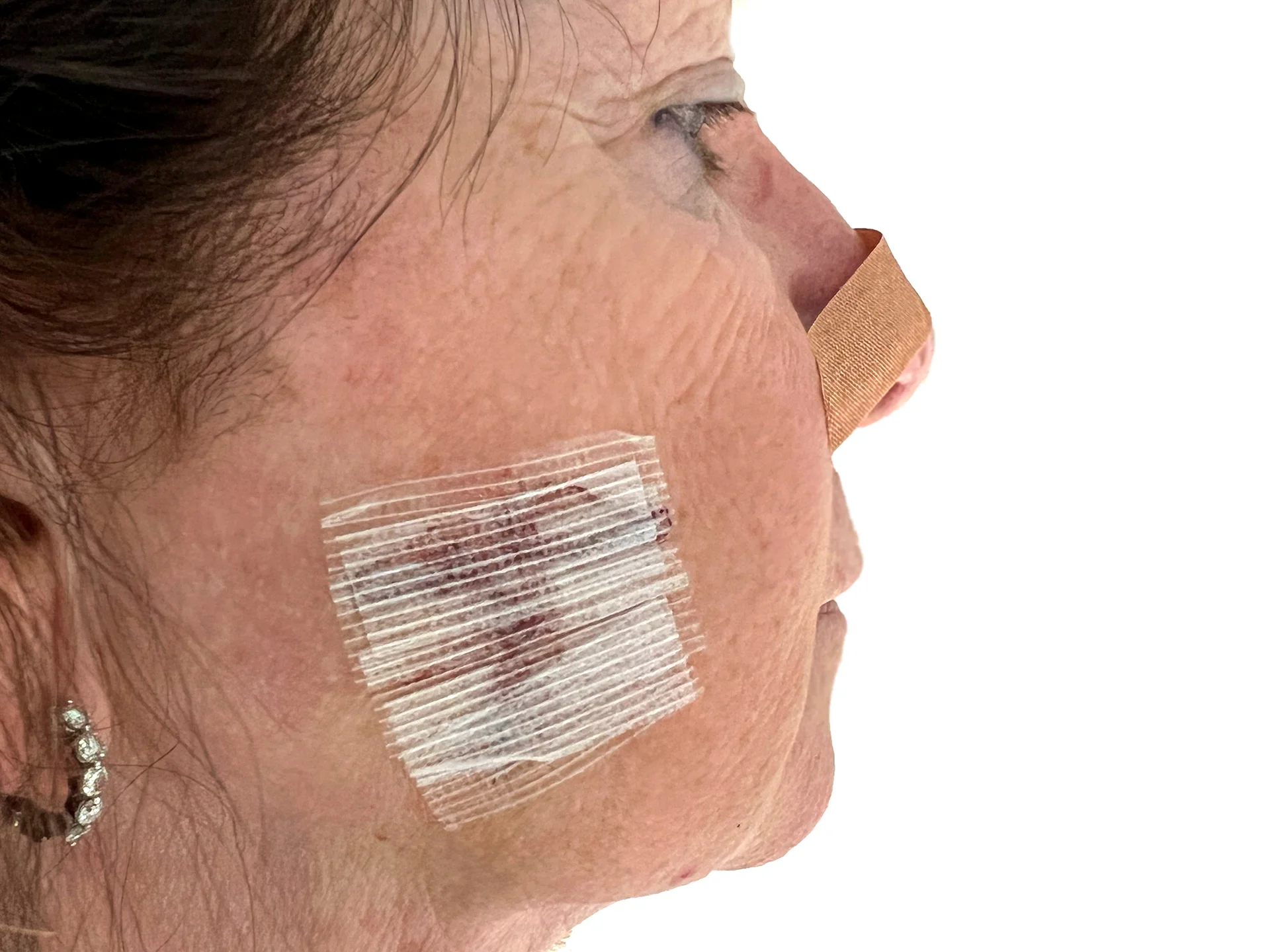
Mohs surgery is a specialized surgical technique used to treat certain types of skin cancer with high precision. The procedure involves removing cancerous tissue in stages while preserving as much healthy skin as possible. Here’s a closer look at Mohs micrographic surgery and what to expect during healing:
Exploring Mohs Surgery
Mohs surgery differs from standard excision in that it involves immediate microscopic examination of the tissue. This methodical approach occurs in stages, and the surgeon repeats the steps until the margins are clear of cancer. Here are the specific steps of the Mohs micrographic surgery:
- Tissue Removal: The surgeon numbs the area with local anesthesia and removes the visible tumor along with a very thin layer of surrounding tissue.
- Tissue Mapping: The removed tissue is cut into sections and color-coded with dyes; the surgeon creates a corresponding map of the surgical site to track the exact origin of each tissue fragment.
- Microscopic Analysis: A technician prepares tissue slides, and the surgeon examines them under a microscope to identify residual cancer cells at the edges.
- Targeted Removal: If the surgeon identifies cancer cells, they return to the specific area indicated on the map to remove another thin layer of tissue while leaving healthy tissue intact.
This cycle continues until the surgeon finds no evidence of cancer, which means the procedure is complete.
Managing Post-Surgery Care
Once the cancer is fully removed, the surgeon must decide on the best way to repair the wound. The specialist may perform reconstruction immediately following the cancer removal. They assess the size and location of the wound and determine whether to allow it to heal naturally, close it with sutures, or use a skin flap or graft.
The nursing staff applies a pressure dressing to the wound to protect it and minimize bleeding. Patients receive detailed post-operative instructions before they leave the office. Make sure you have a companion to drive you home if the surgery was near your eye or if you received sedation.
Healing and Recovery
The recovery period for Mohs surgery usually lasts about one to two weeks, depending on the extent of the surgery and the reconstruction method used. Bruising and swelling are common side effects, but these symptoms usually subside within a few days. Pain is generally manageable with over-the-counter medication or prescription pain relievers. Patients must avoid strenuous exercise and heavy lifting for at least 48 hours after the surgery to prevent bleeding or opening the wound. You should also keep the wound dry and covered in accordance with the physician’s instructions.
Maintaining Skin Health
After Mohs surgery, patients must adopt a proactive approach to skin health to prevent recurrence of skin cancer. A history of skin cancer increases the risk of developing another lesion, so vigilance is key. Here are helpful measures for maintaining skin health and monitoring for recurrence:
- Sun Protection: Apply a broad-spectrum sunscreen daily, and wear protective clothing such as wide-brimmed hats and long sleeves when outdoors.
- Self-Exams: Perform regular skin self-exams to look for new growths, changing moles, or sores that do not heal.
- Professional Screenings: Schedule regular follow-up appointments with your dermatologist for professional skin cancer screening at least annually, or more frequently as recommended.
- Scar Care: Follow the surgeon’s advice on scar management to optimize the cosmetic outcome.
Establishing these habits reduces the likelihood of future damage and supports overall skin wellness.
Schedule Your Mohs Surgery Appointment
Proper skin care following Mohs surgery is key to promoting healing, minimizing scarring, and reducing the risk of future complications. Protecting the skin from harmful UV exposure, undergoing regular dermatological screening, and adhering to care recommendations are key steps in maintaining skin health. Contact a trusted dermatologist near you to schedule your appointment today.
Leave a Reply