
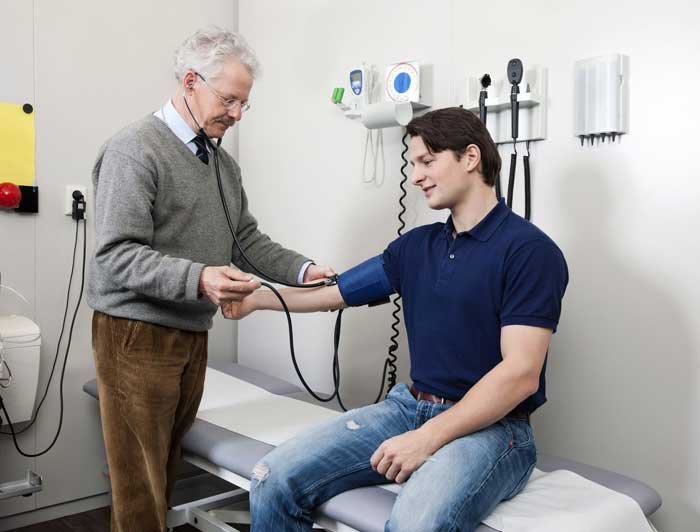
A physical exam is a routine medical test your primary care provider performs to assess your overall health. This wellness visit allows a physician to examine your body, review your medical history, and discuss any concerns you might have regarding your well-being. By assessing your body’s current state, a provider can identify potential issues before they develop into more serious problems. Here’s information on key components of comprehensive physical exams:
Annual Check-in
A comprehensive physical exam functions as an annual audit of your body’s systems. During this visit, your provider gathers data to establish a health baseline, which serves as a reference point for future visits. This process typically begins with the collection of vital signs, including your blood pressure, heart rate, respiration rate, and temperature. These metrics provide an immediate snapshot of your cardiovascular and respiratory health before the rest of your assessment.
A physical assessment often involves listening to your heart and lungs, checking your abdomen for tenderness, and examining your skin for unusual moles or lesions. The provider may also examine you for signs of infection. Getting routine healthcare is imperative for your health, as many conditions do not present obvious symptoms in their early stages, such as hypertension or high cholesterol. The doctor records your current health data, and this information helps them detect trends that might indicate developing issues.
Immunizations
Vaccinations are fundamental for public and individual health protection, and physical exams enable you to review your immunization status. Many people associate vaccines with childhood, but adults also require ongoing protection against various diseases. During your exam, your provider will review your vaccination record to determine if you are due for any updates or boosters.
Adult immunizations depend on your age and specific risk factors. Some standard vaccination options include:
- Influenza Vaccine
- Tdap Booster (tetanus, diphtheria, and pertussis)
- Shingles Vaccine
- Pneumonia Vaccine
Staying current with these shots protects your health and the health of vulnerable populations around you. Your immune system provides a strong defense against illness, but vaccines train it to recognize and fight specific threats. Your provider can answer questions regarding the safety and necessity of particular vaccines.
Preventive Care
Preventive care is the proactive side of medicine, designed to stop disease before it starts or to catch it when it is most treatable. Regular physical examinations are the central hub for coordinating these preventive efforts. Based on your age, gender, and family history, your provider will recommend specific screenings and laboratory tests.
For many adults, this includes blood work to measure cholesterol and blood sugar levels, which screen for heart disease and diabetes. Cancer screenings are also a major focus of preventive care discussions. Your provider might recommend a colonoscopy, mammogram, or prostate screening, depending on your risk profile.
Beyond testing, preventive care commonly involves lifestyle counseling. This is an opportunity to discuss diet, exercise, substance use, and mental health in a safe, confidential environment. By addressing lifestyle factors and completing recommended screenings, you actively reduce your risk of chronic disease and improve your long-term health.
Schedule a Physical Exam
Prioritizing your health requires action, and an effective step you can take is to schedule your annual physical exam. This visit is more than just a formality; it is a dedicated time to focus on your well-being. Do not wait for symptoms to appear before seeing a doctor. Contact a primary care provider today to schedule an exam and document your health.
Leave a Reply