
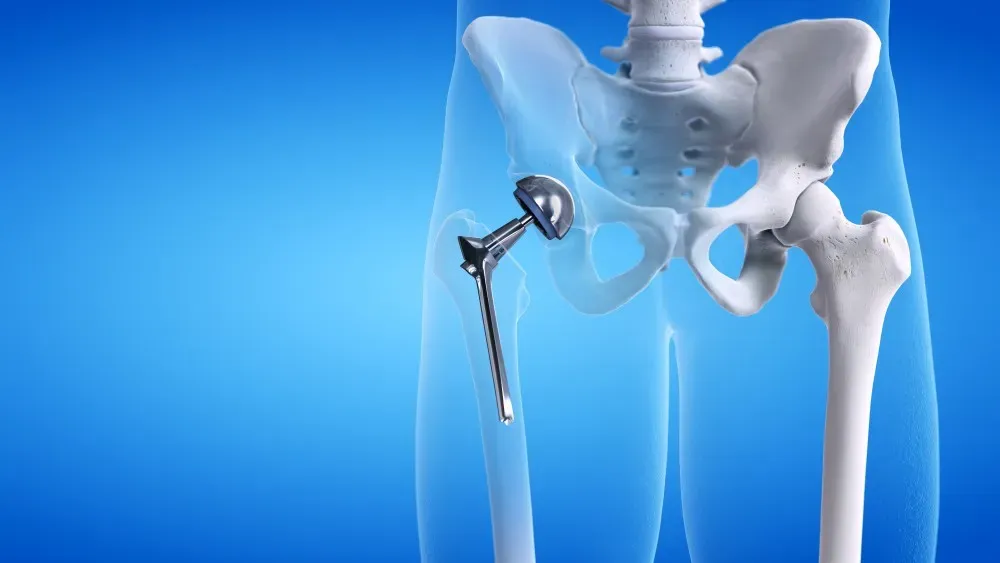
Hip replacement surgery treats severe pain and improves mobility in damaged joints, and it is a standard option for those suffering from severe arthritis. Surgeons replace the damaged bone and cartilage with prosthetic components during the procedure. Minimally invasive techniques have changed how surgeons approach this established procedure. Here are some of the advantages of this hip replacement technique:
Less Tissue Disruption
Traditional surgery requires cutting through muscles and tendons to access the hip joint. Surgeons detach the muscles from the hip during the procedure, and they need to be reattached later. Minimally invasive techniques allow surgeons to work between the muscles instead. Because the surgeon avoids cutting muscle, the body experiences less trauma overall.
This approach spares the muscles and tendons from significant damage during the operation. To do this, the surgeon works through natural gaps between muscle groups to reach the joint. Sparing these tissues helps maintain the natural stability of the hip joint, and it may be less painful. The anterior approach is a typical example of a muscle-sparing technique.
Reduced Pain
Patients may have lower pain levels after minimally invasive procedures compared to traditional surgery. Since the muscles remain uncut, the postoperative discomfort is typically less intense. You might rely less on strong pain medication during the initial healing phase, and managing pain effectively helps you participate in physical therapy sooner.
Faster Recovery
Recovery times vary, but minimally invasive techniques may allow for a quicker return to activities. Patients frequently walk with assistance on the day of surgery. Because the muscles are not cut, they do not need time to heal. Rehabilitation begins almost immediately after the anesthesia wears off completely.
Because the soft tissue trauma is typically minimal, the body’s inflammatory response is often lower. You may spend less time in the hospital following a minimally invasive procedure. Many patients go home within a day or two, and some leave the same day. Returning to a familiar environment aids the psychological aspect of recovery significantly.
Physical therapy typically progresses faster when the muscles are intact and functioning well. You may be able to regain strength and range of motion more efficiently. This efficiency allows you to resume daily tasks, such as driving or working, sooner.
Smaller Scars
The cosmetic outcome differs significantly between traditional and minimally invasive hip replacement surgeries. Traditional incisions can leave long scars along the side of the hip. Minimally invasive incisions are much smaller, typically measuring several inches. A smaller incision may result in less scar tissue formation on the skin.
Potential benefits of smaller incisions include:
- Less visible scarring
- Reduced risk of wound complications
- Lower chance of infection
Smaller incisions contribute to a more appealing cosmetic result, and they also promote faster healing. This technique is particularly advantageous for patients concerned about the long-term appearance of scars. While the method requires precision and expertise from the surgical team, the benefits it delivers in terms of recovery and aesthetics may be substantial.
Schedule Hip Replacement Surgery
Consulting with an orthopedic surgeon determines if you are a candidate for this approach. Minimally invasive techniques are not suitable for every patient or every hip condition. Your doctor can evaluate your specific anatomy and medical history before deciding. Contact an orthopedic clinic today to discuss your options for hip replacement surgery.
Leave a Reply