
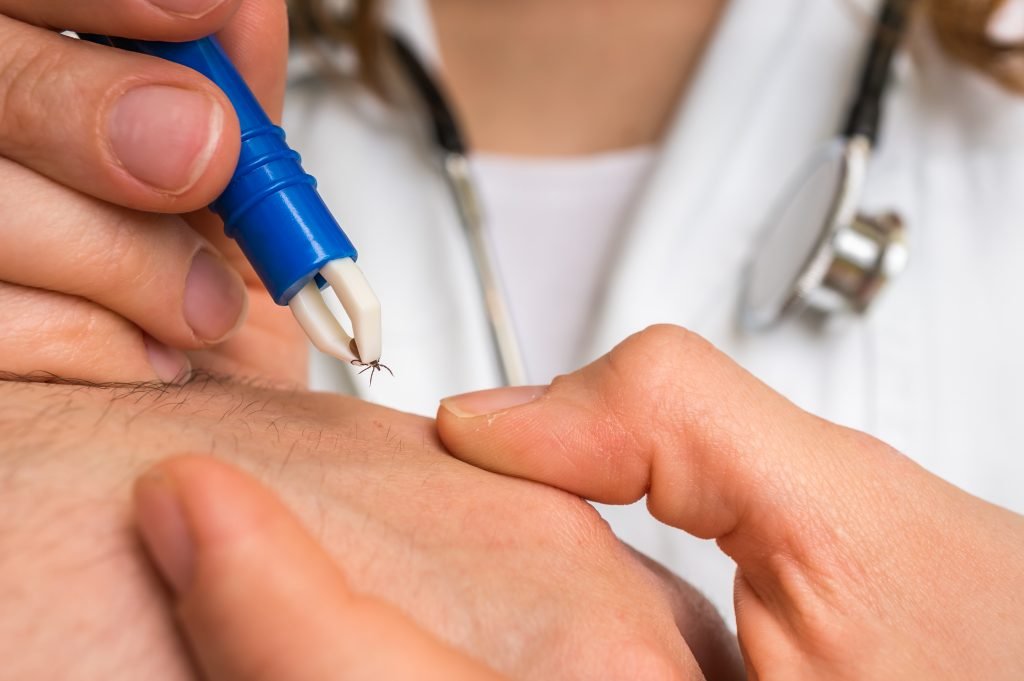
A Lyme disease specialist is a medical professional who diagnoses, treats, and manages Lyme disease and other tick-borne illnesses. Their expertise is key because Lyme disease can present with a wide array of symptoms that mimic other conditions. A specialist understands the nuances of Borrelia burgdorferi infections, allowing them to create tailored treatment plans that address acute infections and chronic complications. Here’s more information on the invaluable role of early detection in Lyme disease treatment:
What Causes Lyme Disease?
Lyme disease is a bacterial infection most commonly caused by the spirochete bacterium Borrelia burgdorferi. This bacterium enters the human body through the bite of an infected black-legged tick, also known as the deer tick. These ticks are typically found in grassy and heavily wooded areas, where they attach to passing hosts to feed.
Transmission does not occur immediately upon contact, as the tick must be attached for 36 to 48 hours or more before the Lyme disease bacterium can be transmitted. Young “nymph” ticks are tiny (less than 2 millimeters) and difficult to see. Many people do not realize they have been bitten by these small ticks, which contributes to infection rates. Larger adult ticks may also transmit the disease, but they are more likely to be discovered and removed earlier.
Diagnosing Lyme disease requires a comprehensive evaluation by a specialist that combines a detailed medical history, a review of symptoms, and diagnostic testing. A Lyme disease specialist may begin by asking about potential exposure to tick habitats, such as wooded or grassy areas. Laboratory tests are commonly used to detect antibodies to the bacteria causing Lyme disease. These tests may not be definitive in the early stages of infection due to delayed antibody production. A Lyme disease specialist assesses clinical findings in conjunction with test results to make an accurate diagnosis and treatment plan.
What Are Some Signs and Symptoms?
The clinical treatment of Lyme disease varies from person to person and evolves as the infection progresses. Early-stage symptoms typically appear within 30 days after the tick bite. The most distinct sign is erythema migrans (EM), often referred to as a “bullseye rash.” While it is a hallmark sign, not every patient develops or notices this rash.
Other early symptoms often resemble those of a viral illness or flu. Patients may experience fever, chills, headache, fatigue, swollen lymph nodes, and muscle and joint aches. If the infection is left untreated, it can spread to other parts of the body, leading to more severe symptoms. Later signs may include severe headaches and neck stiffness, additional EM rashes on other areas of the body, and arthritis with severe joint pain and swelling, particularly in the knees. Facial palsy, which is a loss of muscle tone or droop on one or both sides of the face, may also occur.
Why Is Early Detection Invaluable?
Identifying Lyme disease in its initial stages is a fundamental factor for a straightforward recovery. When the infection is caught early, a standard course of oral antibiotics is typically effective in eliminating the bacteria from someone’s system. The bacteria have not yet had the opportunity to disseminate widely throughout the body or establish themselves in tissues that are harder for antibiotics to reach.
Early detection prevents the progression to late-stage Lyme disease, which is notoriously more difficult to manage. Patients who receive prompt treatment usually recover rapidly and completely. Delayed diagnosis can lead to chronic symptoms that persist for months or years after treatment has ended. These complications may lead to long-term challenges, like:
- Cognitive Difficulties
- Sleep Disturbances
- Persistent Fatigue
Contact a Lyme Disease Specialist
Navigating the complexities of tick-borne illnesses requires precision and expertise. If a tick has bitten you or you’re experiencing odd symptoms, contact a Lyme disease specialist for an evaluation. These professionals can provide the necessary testing and clinical assessment to determine if an infection is present. Early intervention is key to potentially preventing long-term health issues. Make an appointment today.
Leave a Reply